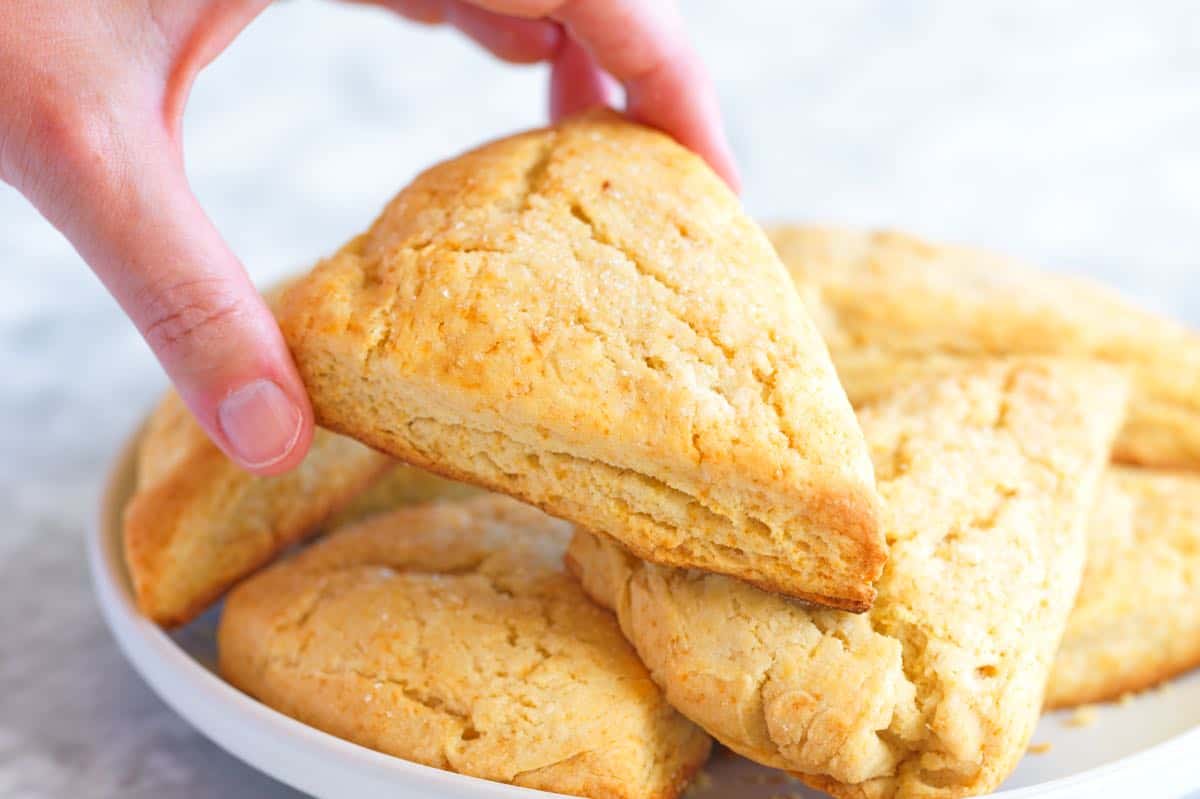
Bake Perfect Fluffy Scones: The Cold Butter & Cream Method
Imagine sinking your teeth into a warm, tender scone, crumbly on the outside, light and fluffy within, perhaps with a dollop of jam and clotted cream. For many, the idea of baking scones from scratch seems intimidating, conjuring images of dry, dense, or bland pastries. However, we're here to debunk that myth with an incredibly straightforward yet foolproof approach: the cold butter and cream method. This
easy scones recipe for light, tender, fluffy results will transform your baking, consistently delivering bakery-worthy scones that will disappear faster than you can say "more tea, please!"
This foundational recipe is not only simple to master but also incredibly versatile, serving as the perfect base for countless variations. Whether you prefer them plain, with a touch of butter, or bursting with your favorite mix-ins, the core principles remain the same. Get ready to discover the secrets to truly perfect, melt-in-your-mouth scones every single time.
The Secret to Fluffy Scones: Why Cold is Key
The cornerstone of any truly tender and flaky scone, much like a great pie crust or fluffy buttermilk biscuit, lies in one critical principle: *cold is key*. This isn't just an old wives' tale; it's a fundamental aspect of pastry science that guarantees that signature light texture.
When you incorporate very cold butter into your flour mixture, it doesn't immediately melt and blend into a smooth dough. Instead, it remains in small, distinct pieces. As these tiny pockets of cold butter hit the high heat of your oven, they rapidly melt and release steam. This steam then pushes up against the layers of dough, creating countless miniature air pockets throughout the scone. The result? A structure that is wonderfully light, airy, and flaky, rather than dense and heavy.
For this reason, it's not just the butter that should be chilled. Ensure your heavy cream is also straight from the fridge. Some bakers even go as far as chilling their dry ingredients or using a frozen pastry blender to maintain that crucial low temperature. Think of it as building tiny, delicious steam engines right into your dough – the colder the starting point, the more explosive (and texturally delightful) the steam release will be. This careful attention to temperature is truly what elevates an ordinary scone to an extraordinary one.
Essential Ingredients for Your Easy Scones Recipe
One of the beautiful things about this
easy recipe for sweet & savory add-ins is its reliance on a short list of everyday ingredients. While simple, each plays a vital role in achieving that perfect scone.
*
All-Purpose Flour: This is the backbone of your scone. All-purpose flour consistently yields light and tender results without being overly chewy. For those with dietary restrictions, many all-purpose gluten-free flour blends can be successfully substituted, though you might need minor adjustments to liquid content based on the blend.
*
Very Cold Unsalted Butter: As discussed, this is non-negotiable for tender scones. Use unsalted butter to control the overall saltiness of your recipe. Keeping it super cold means it won't melt into the flour too quickly, preserving those crucial fat pockets for flakiness. Cubing it and then briefly freezing it before grating or cutting into the flour is a fantastic hack.
*
Heavy Cream: This generous amount of heavy cream (or whipping cream) is what gives traditional cream scones their incredible richness, flavor, and incomparable tenderness. Its high-fat content contributes moisture and prevents the scones from becoming dry. Ensure it's straight from the refrigerator!
*
Sugar: Granulated sugar provides just the right amount of sweetness and aids in browning. If you prefer, coconut sugar can be used for a slightly different flavor profile. For an intriguing twist, honey can also be incorporated, though you may need to subtly adjust the other liquids to maintain the right dough consistency.
*
Baking Powder: The primary leavening agent for our scones. This is responsible for much of the "lift" that makes them fluffy. Always use fresh, aluminum-free baking powder for the best flavor and rise. An expired or old baking powder will lead to flat, disappointing scones.
*
Vanilla Extract & Salt: These aren't just minor additions; they're essential flavor enhancers. A good quality vanilla extract adds a warm, inviting aroma and rounds out the sweetness, while salt balances the flavors, preventing the scones from tasting bland and bringing forward the buttery notes. Don't skip the vanilla!
Optional additions like fresh berries, chocolate chips (a mix of regular and mini is delightful!), dried fruits, nuts, or even savory elements like cheese and herbs can be folded in, offering endless possibilities for customization.
Mastering the Method: Step-by-Step for Perfect Scones
The true beauty of this
easy scones recipe lies in its simplicity, but a few key techniques will guarantee outstanding results.
1.
Combine Dry Ingredients: In a large bowl, whisk together the flour, sugar, baking powder, and salt. Whisking ensures that the leavening agents and salt are evenly distributed, which is crucial for a consistent rise and flavor.
2.
Cut in the Cold Butter: This is where the magic happens. You want to incorporate the very cold butter into the flour mixture until it resembles coarse meal, with some butter pieces still visible, about the size of small peas.
*
Pastry Blender Method: Use a pastry blender (also called a pastry cutter) to quickly cut the butter into the dry ingredients. Work efficiently to prevent the butter from warming up.
*
Grating Method: For an even easier approach, grate frozen butter directly into the flour using the large holes of a box grater. Then, gently toss the grated butter with your fingertips to coat it in flour. This method minimizes handling and keeps the butter super cold.
*
Food Processor Method: If you have a food processor, pulse the flour and cubed cold butter a few times until the mixture resembles coarse crumbs. Be careful not to over-process, or you'll risk warming the butter too much.
3.
Add Wet Ingredients: Create a well in the center of your dry ingredients. Pour in the cold heavy cream and vanilla extract. Using a fork or a rubber spatula, gently mix until *just combined*. The dough will look shaggy and a little crumbly – that's perfectly normal! The most important rule here is:
do not overwork the dough. Overworking develops gluten, which leads to tough, chewy scones instead of light, tender ones.
4.
Incorporate Add-Ins (If Using): If you're adding berries, chocolate chips, or other mix-ins, gently fold them into the shaggy dough at this stage. Again, be delicate and brief with your mixing.
5.
Form the Dough: Turn the dough out onto a lightly floured surface. Gently bring the dough together, patting it into a round disc about 1 to 1.5 inches thick. Avoid kneading; just gather and press. You can also lightly fold the dough over on itself once or twice to create a few more layers, similar to puff pastry, but this is optional for this easy scones recipe.
6.
Cut the Scones: Using a sharp knife, cut the round disc into 6-8 wedges, like a pizza. For traditional round scones, use a round cookie cutter (without twisting, which can seal the edges and inhibit rise).
7.
Prepare for Baking: Place the cut scones onto a baking sheet lined with parchment paper, leaving some space between them. For an extra golden top, you can brush them lightly with a little extra heavy cream or an egg wash (one egg beaten with a tablespoon of milk or water). If time permits, chilling the cut scones in the refrigerator for 15-20 minutes before baking can help them hold their shape and ensure the butter stays cold.
8.
Bake: Bake in a preheated oven (usually around 400°F / 200°C) until golden brown on top and cooked through, typically 15-20 minutes depending on your oven and scone size. A wooden skewer inserted into the center should come out clean.
9.
Cool & Serve: Transfer the baked scones to a wire rack to cool slightly. They are best enjoyed warm, fresh from the oven, served simply with butter, jam, or clotted cream.
Customizing Your Easy Scones Recipe: Add-Ins & Variations
Once you've mastered this foundational
easy scones recipe for light, tender, fluffy results, you'll be eager to experiment. The beauty of this recipe lies in its versatility. For a wealth of creative ideas, from sweet indulgence to savory delights, explore how you can
customize your scones with an easy recipe for sweet & savory add-ins, transforming a simple scone into a personalized treat.
Here are a few popular ideas to get you started:
*
Sweet Sensations:
*
Berries: Fresh blueberries, raspberries, chopped strawberries, or cherries are classic additions. Gently fold them in to avoid crushing.
*
Chocolate Chips: White, milk, or dark chocolate chips work wonderfully. For extra indulgence, try a mix of regular and mini chips.
*
Dried Fruit & Nuts: Raisins, cranberries, currants, chopped apricots, or even candied ginger pair beautifully with pecans, walnuts, or almonds.
*
Citrus Zest: Lemon, orange, or lime zest adds a bright, fragrant lift to plain or berry scones.
*
Spices: A pinch of cinnamon, nutmeg, or cardamom can elevate your scone's flavor, especially when paired with apples or pumpkin.
*
Savory Surprises:
*
Cheese & Herbs: Grated cheddar, Gruyere, or Parmesan with fresh chives, rosemary, thyme, or dill create a delicious savory scone perfect with soup or salad.
*
Sun-Dried Tomatoes & Feta: A Mediterranean-inspired twist.
*
Bacon & Cheddar: A hearty option for breakfast or brunch.
*
Black Pepper & Chive: Simple yet incredibly flavorful.
When incorporating mix-ins, generally aim for about 1 cup of additions per recipe, ensuring they are evenly distributed without overcrowding the dough. For very juicy fruits, you might toss them lightly in a tablespoon of flour before adding to help absorb excess moisture.
Conclusion
Baking truly perfect, fluffy scones doesn't have to be a daunting task. By embracing the simple yet powerful "cold butter and cream method," you unlock the secret to pastries that are consistently light, tender, and irresistibly delicious. This easy scones recipe provides a foundational approach that guarantees success, making bakery-quality results achievable in your own kitchen. From the careful selection of cold ingredients to the gentle handling of the dough, each step contributes to the ultimate goal: a scone that melts in your mouth. So, gather your ingredients, follow these straightforward steps, and prepare to delight your family and friends with the best homemade scones they've ever tasted. Happy baking!